
Before any code changes
Legacy system assessment
We review the code, the data, the infrastructure and the integrations. You get a written view of what is holding the system back and what is fine as it is.

Most legacy systems are not broken. They still hold years of business rules and they still run the operation. The trouble is that they have become slow to change, hard to hire for and risky to touch. Techwaresoft modernizes them in stages, so the business keeps running while the old system is improved, moved or replaced.
We assess what you have, decide with you what to keep, refactor, re-platform or rebuild, and deliver it in slices with testing against how the system behaves today. We work on-site and hybrid across the UAE, and remotely for clients abroad.

Specialists and engagement models
Application modernization means improving software you already depend on so it can keep up with the business. You may see it called legacy modernization, software modernization or re-platforming. The work ranges from moving a system to the cloud to rebuilding it piece by piece. The aim stays the same. You keep the business logic that works and lose the constraints that don't.
Talk to us about your system
An old system often holds rules nobody wrote down. Pricing exceptions, approval paths and edge cases live in the code. Modernization keeps that behavior instead of guessing at it again from scratch.
The usual limits are an outdated framework, a database nobody can scale, servers in a cupboard or an interface staff work around. Each one can be fixed on its own. The rest of the system does not have to move with it.
Parts of the system are replaced one at a time while the rest keeps running. Each stage goes live on its own. Nobody has to wait for a single switch-over date at the end.
A modernized system exposes clean APIs. New apps, portals, reporting and AI features can then use its data without anyone touching the core.
Modernization improves software you already have. Turning paper, spreadsheets and manual steps into software is digitalization, and it is a different job.
Six reasons businesses decide the old system needs work, usually long before it actually stops.
Discuss your systemFewer engineers want to work in an aging stack. A current one widens the pool of people who can maintain it.
A system sized for last decade's volume struggles with today's. Modern infrastructure scales with the load you actually have.
Old licenses, aging hardware and workarounds all cost money every month. Moving off them stops paying for what no longer earns its keep.
Staff stop working around screens built for another era. New team members learn the system faster.
Supported frameworks keep receiving security fixes. Unsupported ones stop, and the risk stays with you.
A change that took weeks of careful testing in the old code can ship in a normal release once the system is restructured.
Nine services in four groups. Most projects use three or four of them, chosen after the assessment rather than before it.
We review the code, the data, the infrastructure and the integrations. You get a written view of what is holding the system back and what is fine as it is.
A staged plan that decides per component whether to keep, refactor, re-platform or rebuild. Stages are ordered by business impact and risk.

Moves applications from on-premise servers to cloud infrastructure, with the changes needed to run well there. It goes further than copying the server across.
Moves data from an aging or unsupported database to a current one. Schemas are cleaned up on the way and records are reconciled against the source before cut-over.

Improves the structure of existing code without changing what it does. Tests are written first to pin down current behavior, so every change can be checked against it.
Wraps an old system in a modern API. New web and mobile apps, reporting and integrations can then use it while the core is replaced later or left alone.
Where the old system cannot carry the requirement, we rebuild it in slices. New components take over one function at a time behind the same interfaces until the old one can be retired.
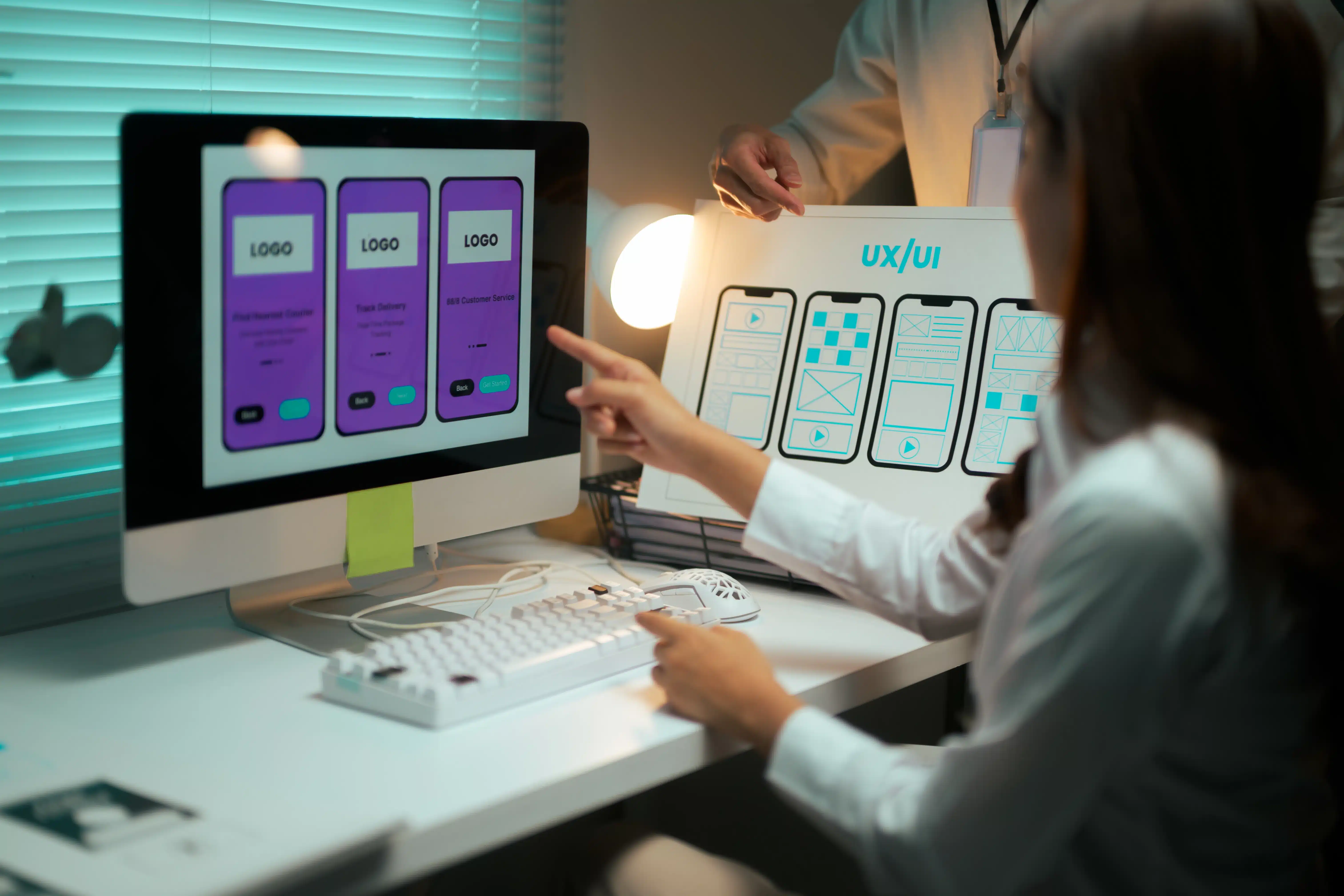
Redesigns aging desktop or web screens as a modern web or mobile interface. Workflows are based on how staff actually use the system today.
Brings overlapping or aging ERP and CRM systems together, or moves them onto Odoo, Bitrix24 or Zoho. Data is migrated and the integrations are rebuilt.
The people a modernization project actually needs. Which of them join depends on what the assessment finds.
Deciding what to keep, refactor or rebuild, and how the pieces fit afterward.
Reading old code closely and pinning down what it really does before anything changes.
Rebuilding features from interface to database to deployment.
Building the APIs and connectors that let old and new systems run side by side.
Database migration, data cleanup and reconciliation against the source.
Moving workloads off aging servers and sizing them for the load you expect.
Release pipelines, environments and monitoring for the modernized system.
Redesigning old screens around how people use them today.
Regression testing against the old system's behavior, so nothing is lost in the move.
The two ways to replace an aging system. Both have their place, and the difference is mostly about risk and when the value arrives.
| Aspect | Phased modernizationReplace or improve the system in slices while it keeps running. | Full rewriteBuild a new system alongside and switch over at the end. |
|---|---|---|
| Business continuity | The old system keeps running throughout | Depends on one switch-over working first time |
| When value arrives | With each stage that goes live | Mostly at the end of the project |
| Business logic | Existing behavior is tested and carried across | Has to be rediscovered and rewritten |
| Risk | Spread across small, reversible steps | Concentrated at cut-over |
| Changing course | Priorities can shift between stages | Harder once the new build is underway |
| Best suited to | Systems the business depends on every day | Small systems or ones that cannot carry the requirement |
Neither approach wins outright. If the system runs the business every day, phased modernization is usually safer. If it is small, or its foundations cannot support what you need, a rewrite can be the cleaner route.
Four ways to work with us, from a fixed assessment to ongoing support once the system is modernized.
Choose an engagement modelA fixed-scope review of your system with a written roadmap. You can deliver it with your own team or with us.
We deliver the roadmap stage by stage, with scope and cost agreed before each stage starts.
One defined piece of work, such as a database migration or an API layer, with a clear start and end.
Ongoing maintenance and improvement of the modernized system once it is live.
Five stages, in this order. The first two decide most of what happens in the other three.
We review the application, its dependencies and its real constraints. What is genuinely holding you back is separated from what only looks dated.
A staged plan ordered by business impact and risk. Value then arrives during the program and not only at the end.
Tests that record how the system behaves today, including behavior nobody documented but people depend on.
Components are modernized in slices with the system running throughout. Each slice is tested against the baseline before it goes live.
Documentation and handover so your team can maintain what we built, and support from us for as long as you want it.
Our closest published case is a Saudi workforce company running Bitrix24 and Odoo side by side, with historical sales events and live agreements mixed in the same records. Neither system was replaced. We redesigned the operating model and split the data into a hybrid architecture, which is the same keep-what-works approach this page describes. A legacy application case study will be added once a client approves one.
They built software that truly matched our needs. The team was responsive, detail oriented, and reliable, delivering solutions on time and ensuring the quality exceeded what we had hoped for.
Legacy systems look different in every sector. What they share is that the business still depends on them.

Core records, reporting and payment integrations moved forward without losing the audit trail.

Patient and appointment systems modernized with access control and careful data handling.
Dispatch, tracking and warehouse systems opened up through APIs for drivers and partners.
Production and inventory systems moved off aging servers and connected to the ERP.

Order, stock and receivables systems consolidated so each customer has one record.

Property, lease and CRM systems given modern interfaces and connected to portals.

Time, billing and client systems rebuilt around how the firm works today.

Products whose early architecture now limits the roadmap, refactored release by release.
Six things that follow from being a software company that builds the systems it migrates to.
We plan modernization in stages that each go live on their own. A big-bang rewrite is the exception, and we will say when it is the right call.
Current behavior is captured in tests before it changes. That is how undocumented rules survive the move.
The team that moves your system also writes the APIs, interfaces and new components around it.
We implement Odoo, Bitrix24 and Zoho, so consolidation onto them is planned by people who configure them every day.
Some parts of an old system are fine as they are. We will tell you which ones to leave alone.
We're based in Sharjah and work with clients in the UAE, Saudi Arabia, Pakistan, the UK and the US.
Trusted by







The questions businesses ask before touching a system they depend on. If yours is not here, it is the fastest thing to answer in a conversation.
It is the work of improving software your business already runs on so it can keep up. That can mean moving it to the cloud, migrating its database, restructuring its code, giving it a new interface or replacing it piece by piece.
Usually modernize. Full rewrites discard years of business logic and tend to take longer than planned. We recommend rebuilding only where the existing system genuinely cannot carry the requirement.
Yes. Incremental delivery exists so the business keeps operating. Components are replaced in sequence rather than switched over all at once.
That is common with older systems. Working out what the system actually does is a large part of the assessment, including behavior nobody documented but people now depend on.
It depends on the size of the system, the state of its code and data, and how much of it needs to change. An assessment answers those three questions. Each stage is then scoped and priced before it starts.
Yes. We migrate applications and databases from on-premise servers to cloud infrastructure, and make the changes they need to run well there.
Tell us what the system does, what it runs on and where it is holding you back.
We'll come back with what we would keep, what we would change first and what the first stage would cost.